

Article
Root Canal Treatment: When Do You Need It and How Is It Painless?
Learn the warning signs you need a root canal and how modern, painless treatment is done in one 45-minute visit for $100 per tooth in Istanbul.
What Is the Dental Pulp (Nerve)?
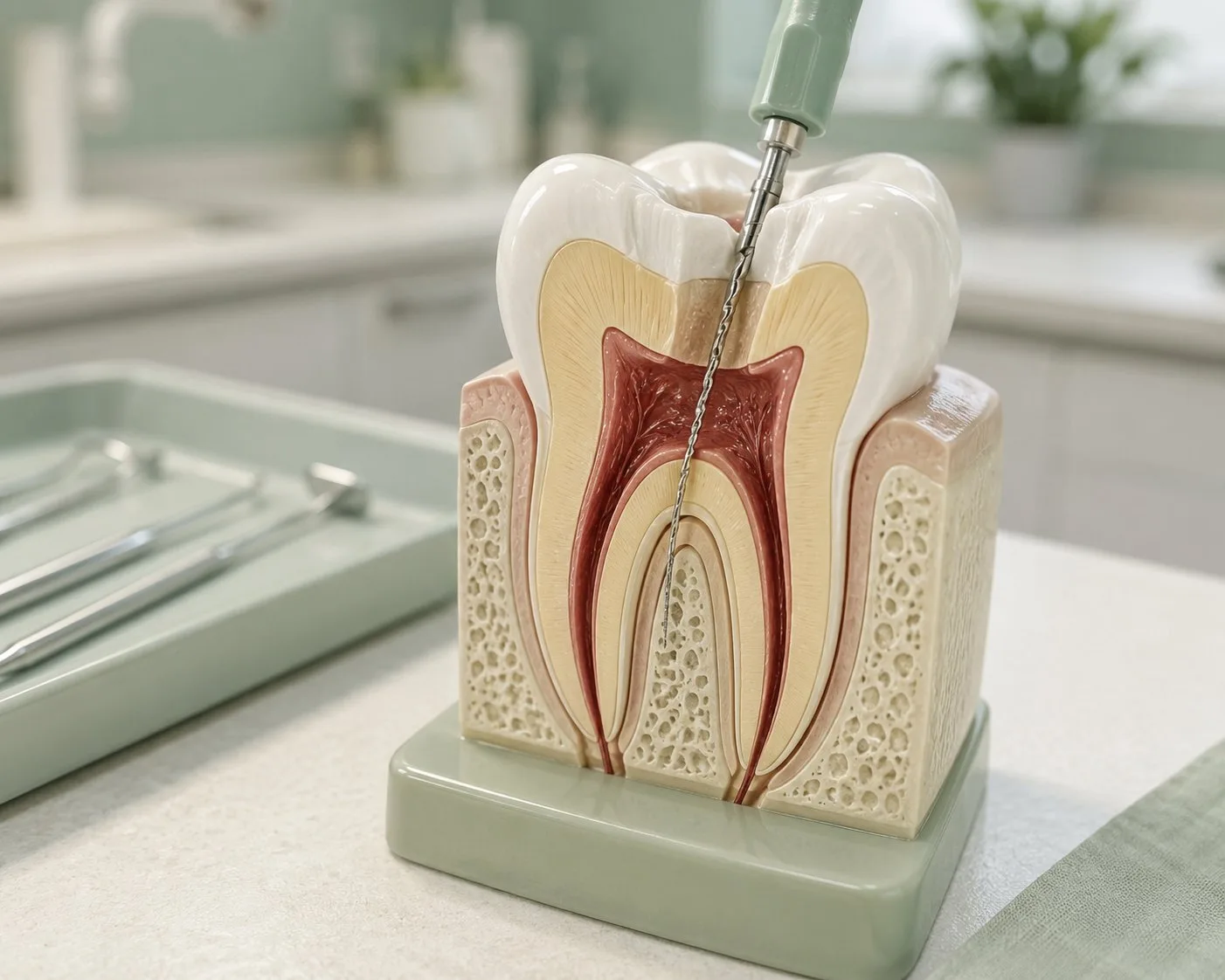
Every tooth has a soft inner layer called the pulp, commonly referred to as the nerve. This tissue contains nerves and blood vessels that nourish the tooth and give it sensation to heat, cold, and pressure. When bacteria reach this tissue through deep decay, a crack, or trauma, the pulp becomes inflamed or infected. At that point, root canal treatment becomes necessary to save the tooth from extraction.
Signs You May Need a Root Canal
Your body usually sends clear warning signs when the pulp is affected. The most common is lingering pain that does not go away even with painkillers, especially throbbing pain that appears without an obvious trigger or wakes you up at night. Another key sign is sharp sensitivity to hot or cold foods and drinks, where the discomfort lingers for seconds or minutes after the stimulus is removed, unlike normal sensitivity that fades instantly. Swelling of the gum around the affected tooth, or a small pimple-like bump (abscess) that drains pus, is also a strong indicator of an active infection requiring urgent care. Deep decay that reaches close to the pulp may sometimes be found during an exam or X-ray even before pain appears, in which case your dentist may recommend root canal treatment preventively to protect the tooth.
What Happens If You Leave It Untreated?
Ignoring these symptoms does not mean the problem will resolve on its own. In most cases, the infection spreads into the jawbone surrounding the tooth, causing a painful abscess and facial swelling. Left untreated long enough, the tooth may be lost entirely and need extraction, followed by a more costly and complex solution such as an implant or bridge. In rare cases, infection can spread to other parts of the body, which is why we always recommend not delaying treatment once symptoms appear.
How Modern Root Canal Treatment Works, Step by Step
At Dental Royal Clinic in Fatih, Istanbul, our dental specialists perform root canal treatment using a modern, comfortable approach completed in a single 45-minute visit. The session begins with effective local anesthesia that fully numbs the area. The affected tooth is then isolated using a rubber dam, a thin protective sheet that keeps the working area clean, sterile, and free from saliva. The dentist opens a small access point in the tooth to reach the root canals, then thoroughly cleans the inflamed or infected pulp using precise rotary files along with a disinfecting solution that removes bacteria from even the finest canal branches. Once the canals are confirmed clean and dry, they are filled with a biocompatible material called gutta-percha to seal them tightly and prevent reinfection. Finally, the tooth is closed with a temporary or permanent filling, depending on the case, in preparation for a crown if needed.
Why Modern Root Canal Treatment Does Not Hurt
The idea that root canal treatment is painful comes from decades ago. Today, the experience is completely different thanks to effective local anesthesia that fully numbs the area before any work begins, combined with modern rotary instruments that clean the canals faster and more precisely than traditional hand tools, reducing both treatment time and discomfort. Most patients describe the procedure as no different from getting a regular filling. Any mild sensation of pressure during the process is normal and should not be mistaken for pain.
The Crown After Root Canal: When Is a Zircon Crown Recommended?
After root canal treatment, a tooth loses some of its natural strength because the living tissue inside it has been removed, making it more prone to fracture over time, especially molars that bear heavy chewing pressure. In these cases, your dentist will recommend a zircon crown that fully covers the tooth and restores both its strength and natural appearance. For front teeth that have lost only a small amount of structure, a cosmetic filling may be enough without needing a full crown. Your dentist will determine the best option after directly evaluating your tooth.
Aftercare Following Root Canal Treatment
After the session, you may feel mild sensitivity for a day or two, which is normal and manageable with a simple painkiller if needed. Avoid chewing on the treated tooth until the final crown is placed, maintain your usual oral hygiene routine, and contact your dentist if pain or swelling persists for more than a few days.
Common Myths vs. Facts
Myth: root canal treatment is extremely painful. Fact: the real pain comes from the infection itself before treatment; the procedure itself is comfortable thanks to effective anesthesia. Myth: it is better to extract the tooth than to treat the nerve. Fact: preserving your natural tooth is always the better choice functionally and aesthetically compared to extraction and implants. Myth: root canal treatment requires several sessions. Fact: at our clinic, the entire procedure is completed in a single 45-minute visit thanks to modern technology.
Transparent Pricing
At Dental Royal Clinic, we believe in complete pricing transparency. Root canal treatment costs only $100 USD per tooth, with no hidden fees, covering the examination, anesthesia, and the full procedure in the same visit.
Book Your Appointment Today
If you are experiencing persistent tooth pain or unusual sensitivity to hot and cold, do not wait for the problem to worsen. Contact us on WhatsApp to book your appointment with our dental specialist at Dental Royal Clinic in Fatih, Istanbul, and get comfortable, effective root canal treatment at a transparent price.
Keep reading
You might also like
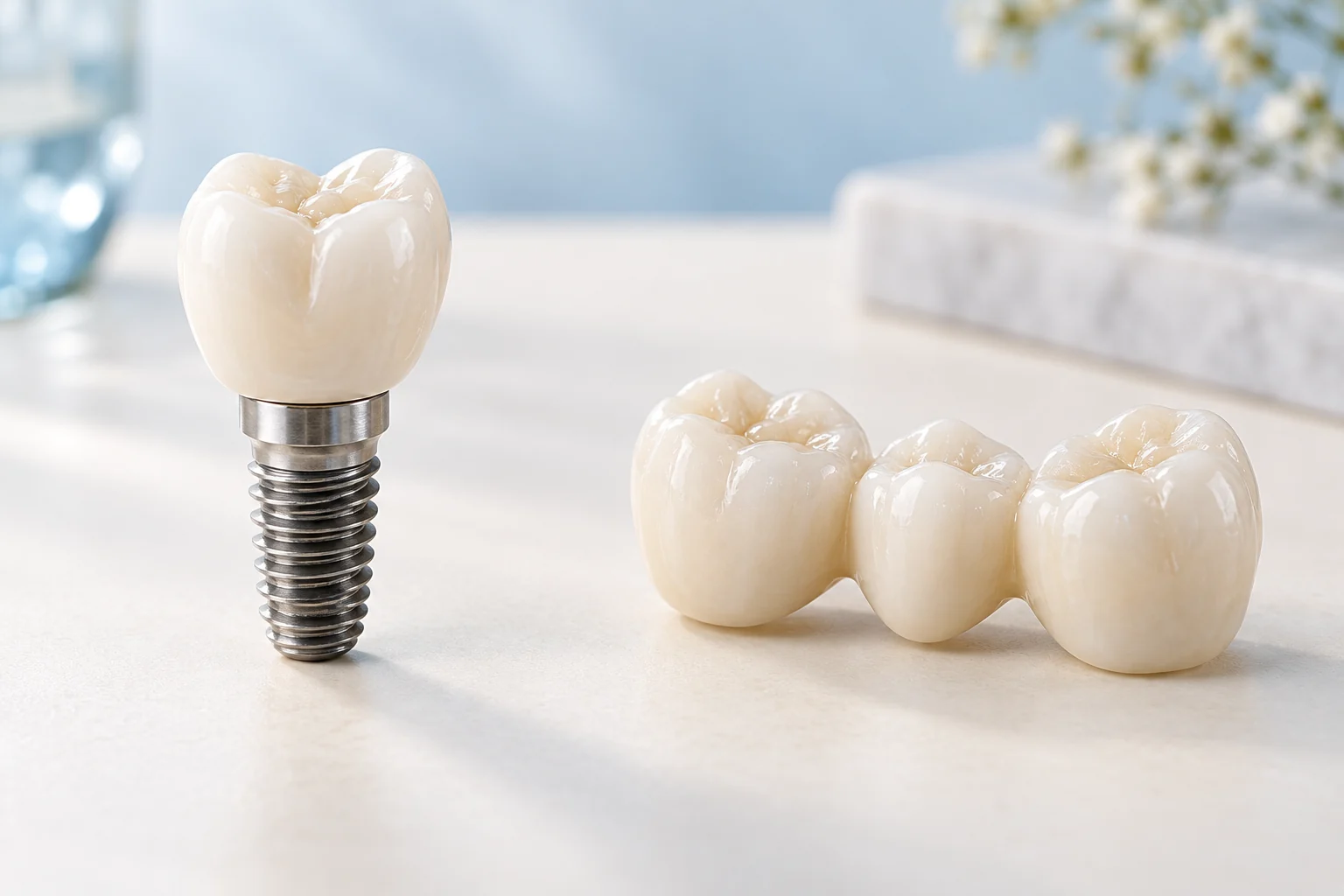
Dental Implant vs Bridge: Choosing How to Replace One Missing Tooth
Compare a dental implant and a bridge for one missing tooth by support, neighboring teeth, surgery, timing, cleaning and questions for your dentist.
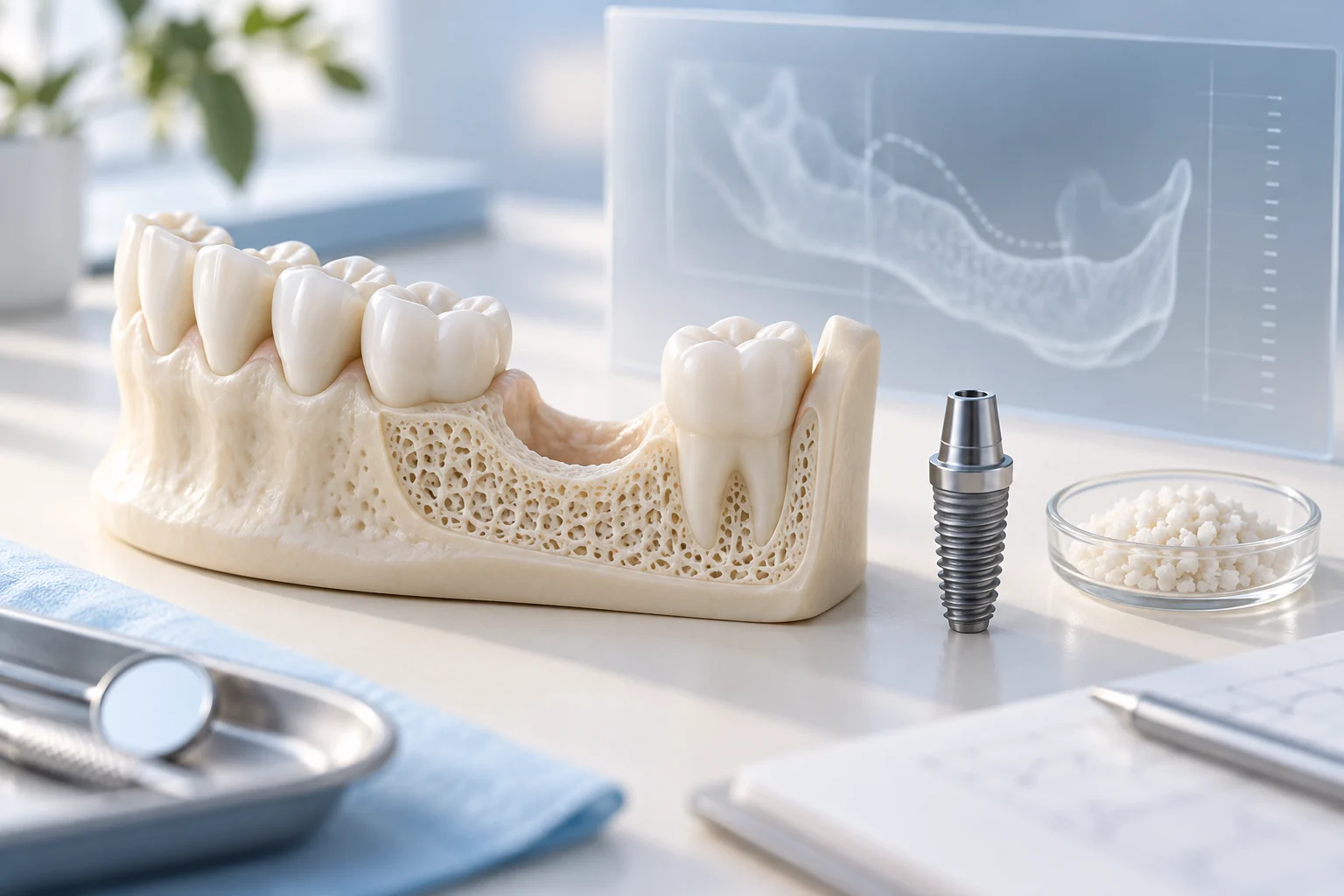
Bone Grafts and Sinus Lifts Before Dental Implants: Planning the Stages
Learn why bone grafting or a sinus lift may be discussed before implants, how staged treatment works and what to ask about materials and healing.
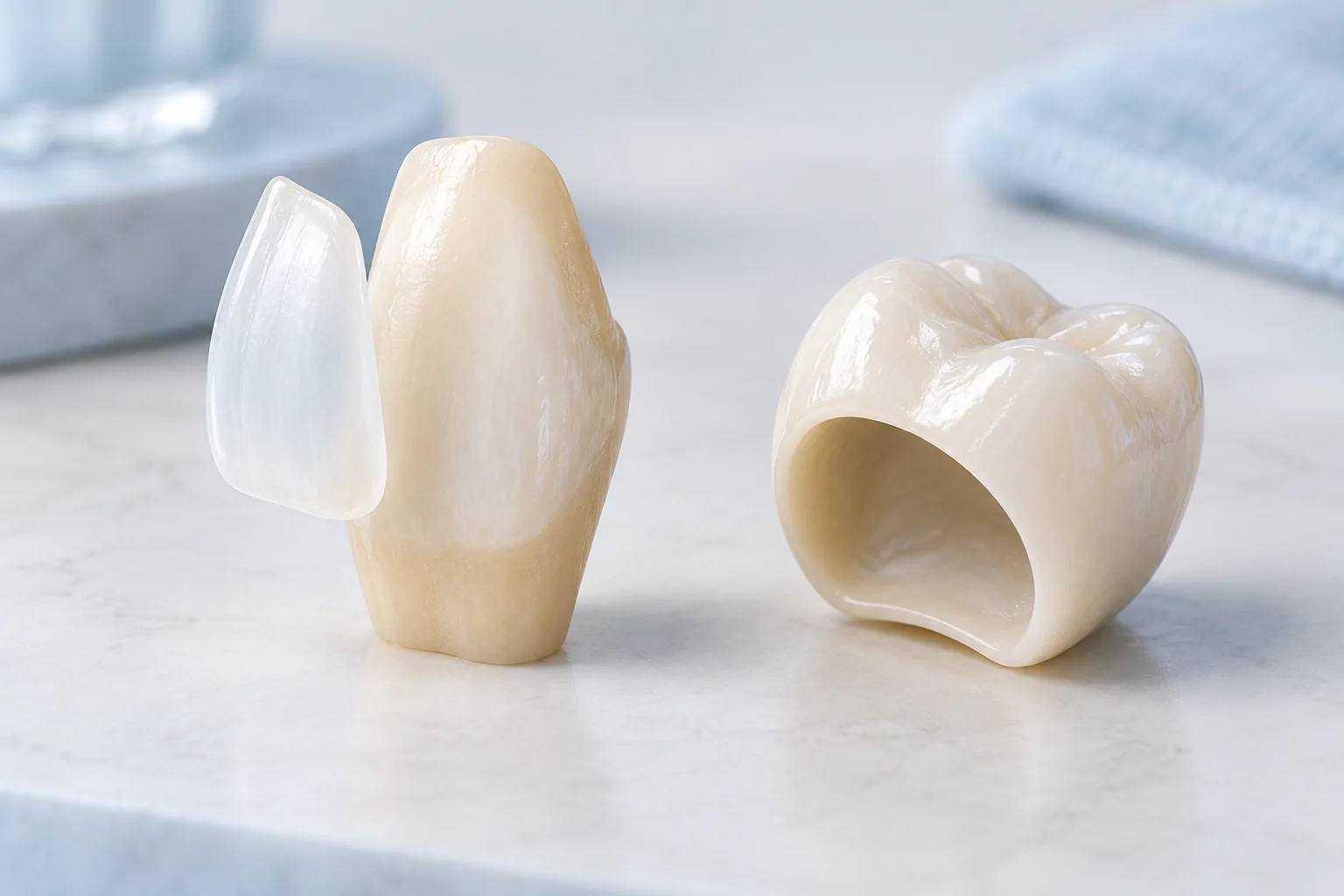
Veneers vs Crowns: What Changes and How to Protect Natural Teeth
Compare veneers and crowns by tooth coverage, preparation and purpose. Learn what to ask before choosing a smile makeover or restorative treatment.