

Article
Am I a Candidate for Dental Implants? Age, Diabetes, Smoking and Bone Loss Answered
Find out if you qualify for dental implants: age, diabetes, smoking, and bone loss explained, plus how our free 3D scan determines your treatment plan.
Many patients ask us the same question before they ever book a consultation: am I actually a candidate for dental implants? The short answer is that the vast majority of healthy adults are good candidates, and factors that used to be considered absolute barriers, like older age, diabetes, or bone loss in the jaw, can now be managed successfully in most cases thanks to modern diagnostics, planning, and surgical techniques. In this article, Dr. Mohamed Ali Atabey and Dr. Bilal Azazy at Dental Royal Clinic in Fatih, Istanbul, walk through the factors that actually determine implant candidacy, honestly and clearly.
The general rule
The basic requirements for successful dental implants are reasonably good general health, enough jawbone (or bone that can be built up), and gums free of active infection. Outside of these, there is no single factor that automatically disqualifies most people. The final decision is always based on a clinical exam and imaging, not on a general impression, a birthdate, or a diagnosis written in a chart.
Age: no upper limit
There is no maximum age for dental implants. Seniors, even in their seventies and eighties, often get excellent results, because bone, if reasonably healthy, fuses with an implant regardless of age. There is, however, a minimum age: it is best to wait until jaw growth is complete, which typically happens around age 18. Placing implants before growth finishes can cause alignment problems later as the jaw continues to develop.
Diabetes: control matters, not the diagnosis
A diabetes diagnosis by itself is not a barrier to dental implants. What actually matters is how well blood sugar is controlled, usually measured by HbA1c. When HbA1c is within the target range set by your physician, bone and gum healing after implant placement is very close to that of a non-diabetic patient. Uncontrolled diabetes, on the other hand, slows healing and raises infection risk, so we always ask for a recent report from your endocrinologist or physician before scheduling surgery, and may recommend getting levels under control first.
Smoking: an honest conversation
We prefer honesty over sugar-coating: smoking does raise the risk of implant failure, because nicotine reduces blood flow to the gums and bone, slows healing, and increases the long-term risk of peri-implantitis, inflammation around the implant. This does not mean smokers are automatically excluded, but we are upfront about the higher risk compared to non-smokers. Quitting completely, or even significantly cutting back around the time of surgery, in the weeks before and after, meaningfully improves success rates, and we help patients build a realistic plan for that without judgment.
Gum disease must be treated first
Active gum disease or periodontitis does not mean a permanent no to implants, but it does mean treatment has to start with gum therapy and getting the infection under control. Placing an implant into inflamed gums significantly raises the risk of failure, so the correct sequence is: deep cleaning and periodontal treatment, a re-evaluation, and then implant planning.
Bone loss has multiple solutions
Long-term tooth loss often leads to bone loss in the jaw, but this does not rule out implants, it simply adds a planning step. Options include bone grafting, rebuilding lost bone before or during implant placement, a sinus lift for bone loss in the upper back jaw, or angled implants using the All-on-4 technique, which makes use of naturally denser bone and can avoid the need for grafting in many cases, especially for patients who want a full fixed arch of teeth with as few implants as possible.
Medications and conditions your doctor needs to know about
Your doctor needs a complete picture of what you are taking. The most important are blood thinners, such as warfarin or therapeutic-dose aspirin, which affect clotting during surgery and may need coordination with your physician, and osteoporosis medications, particularly bisphosphonates, which in rare cases can affect jawbone healing. You should also mention any chronic autoimmune conditions or prior radiation treatment to the head and neck. None of this means automatic rejection, it changes how we plan and time the treatment.
How the free assessment determines candidacy
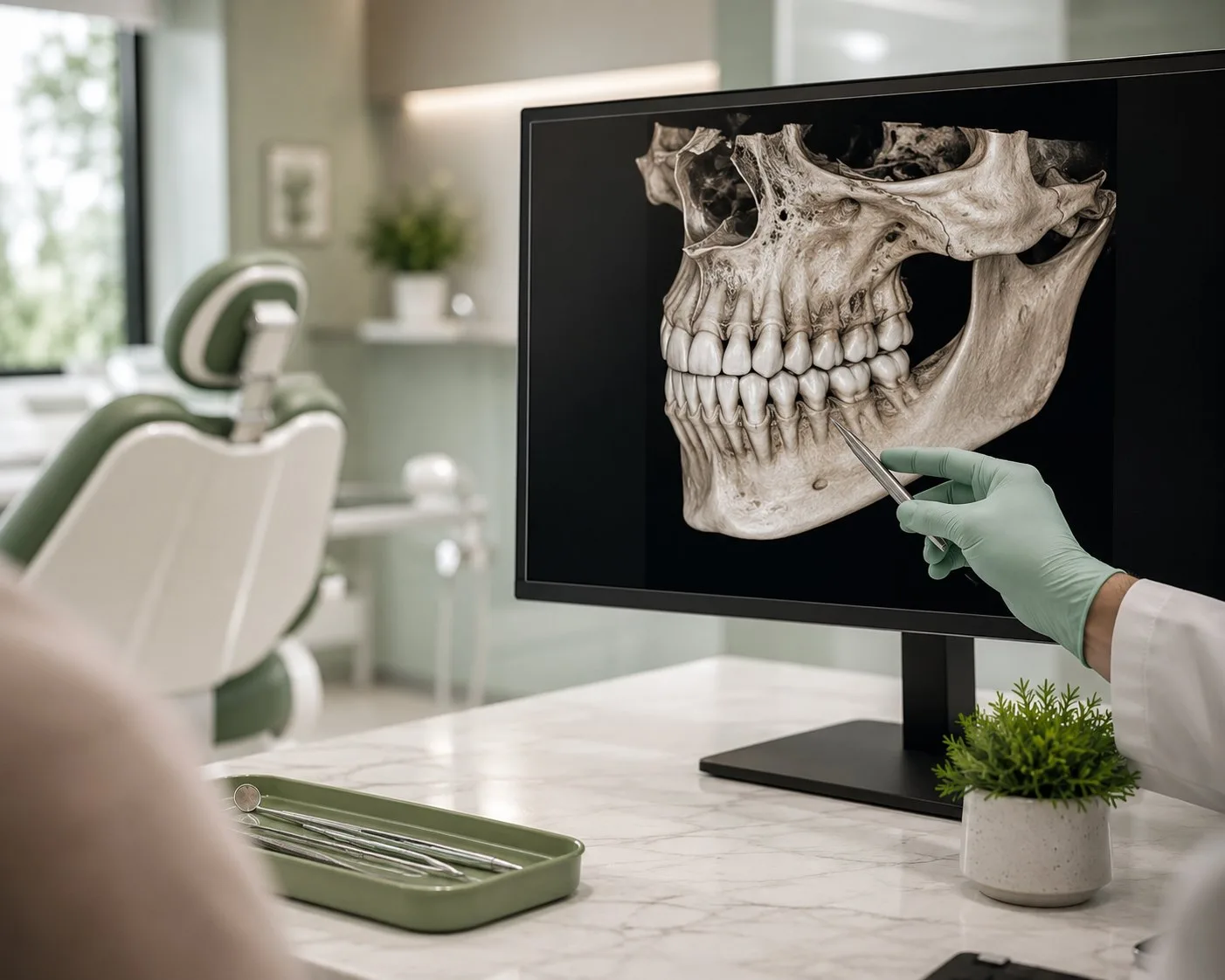
At Dental Royal Clinic, we offer a free initial assessment that includes 3D imaging (CBCT) of your jaw. This lets Dr. Mohamed Ali Atabey and Dr. Bilal Azazy see bone density, volume, and the exact position of nerves and sinuses in detail, alongside a full clinical exam of your gums and remaining teeth and a review of your medical history. A personalized treatment plan is built from all of this together, never from a single factor in isolation.
A final word
The truth is that very few people are actually excluded from dental implants altogether. Even seniors, patients with well-controlled diabetes, smokers, and those with significant bone loss get a workable solution in the large majority of cases, once treatment is planned individually. The best way to find your personal answer is to book the free assessment. Message us now on WhatsApp at +90 538 522 42 59 for a clear, honest evaluation of your case, with implants starting from $250.
Keep reading
You might also like
Dental Implants: The Complete Guide
A complete guide to dental implants: the process, timeline, pain, recovery, and transparent pricing from $250 at Dental Royal Clinic, Istanbul.

Dental treatment in Istanbul: the complete visitor's guide
A practical guide to dental treatment in Istanbul: costs, timelines, and what to expect at Dental Royal Clinic in Fatih.
Immediate Implant Placement Right After Tooth Extraction
Learn how immediate dental implants replace an extracted tooth in the same visit — benefits, eligibility, steps, and honest success rates.